On this page · 8 sections
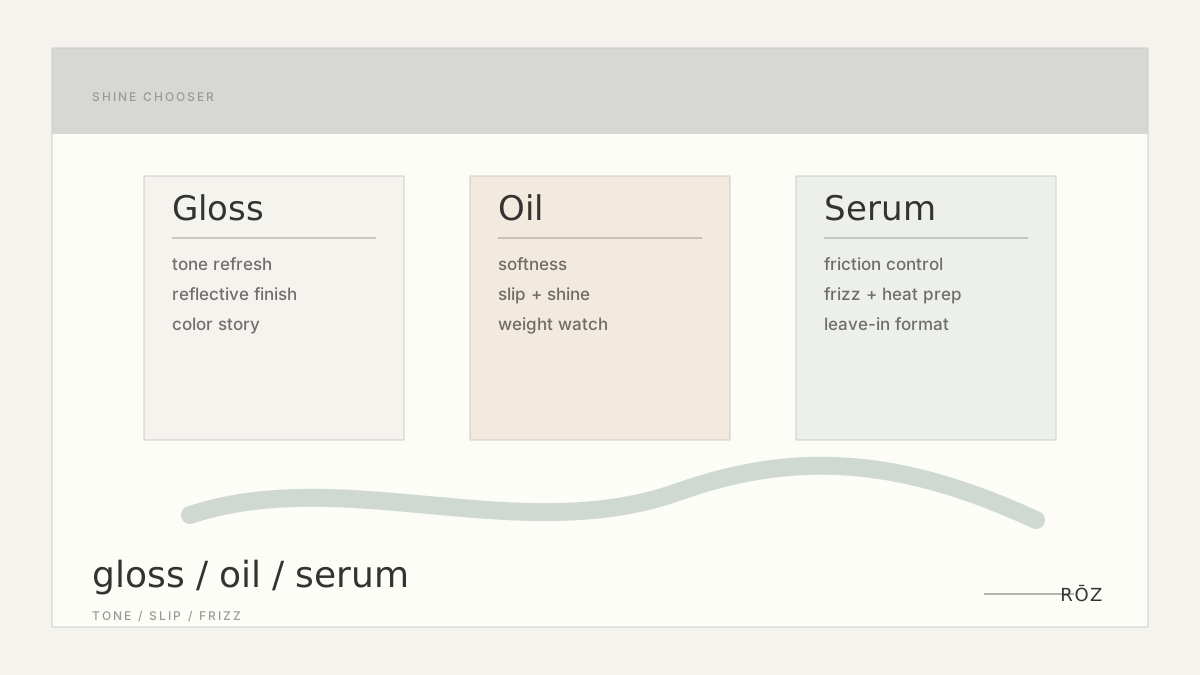
Hair gloss, hair oil, and hair serum can all make hair look shinier, but they are not the same category. A gloss is usually a rinse-out shine or color-refresh treatment. An oil changes friction and finish. A serum is a leave-in formula that can smooth, hydrate, reduce frizz, or prep for heat depending on the ingredients.
If you choose by the shine you want, the answer gets much easier.
Quick chooser: gloss, oil, or serum?
| Goal | Best first move | Why |
|---|---|---|
| Color looks dull or faded | Hair gloss | Gloss can temporarily refresh tone and reflectivity |
| Ends look dry after styling | Hair oil | Oil lowers friction and gives immediate polish |
| Frizz appears as hair dries | Serum | A serum can give damp hair slip, hold water longer, and smooth the surface |
| Fine hair gets greasy easily | Lightweight serum | Easier to dose than oil and less likely to separate strands |
| Curly or coily hair needs sealing | Serum, then oil if needed | Water-based layer first, oil only when the hair tolerates it |
| Heat-styling day | Tested serum or formulated styling oil | Heat support needs a finished-formula claim, not just shine |
What is hair gloss?
A hair gloss is usually a rinse-out treatment that makes hair look shinier for a short window. Some glosses are clear. Some deposit tone, refresh color, or reduce brassiness. Salon glosses and at-home glosses are not identical, but the job is similar: improve reflectivity and color tone without being a daily styling layer.
Use gloss when the issue is color or all-over dullness:
- Blonde looks brassy.
- Brunette looks flat.
- Red or copper has lost warmth.
- Highlights need a softer reflect.
- Hair looks dull even when it feels conditioned.
Gloss is not the best answer for a single dry end, a flyaway halo, or a blowout that needs polish. That is usually oil or serum territory.
What is hair oil?
Hair oil is a finishing or treatment format. It can lower friction, add shine, soften the look of dry ends, and help seal a routine when the hair can tolerate weight. Some oils are pre-wash treatments; some are finishing oils; some are formulated styling oils.
The broad hair oil guide owns the oil chemistry question. The practical version here is simple: choose oil when the hair already has enough water-based conditioning and needs polish, slip, or sealing.
Santa Lucia Styling Oil is the RŌZ oil-format route for shine, frizz smoothing, and heat-styling support. Use less than you think, especially on fine hair.
What is hair serum?
Hair serum is a leave-in formula, not a single ingredient category. A serum can be water-based, silicone-containing, oil-supported, or humectant-rich. The best serum for shine usually does three things: adds slip, smooths the cuticle feel, and keeps the hair from drying rough as water leaves the strand.
Use serum when:
- Hair looks smooth in the shower but frizzes as it dries.
- Fine hair wants polish without oil weight.
- You need a damp-hair layer before air-drying, blow-drying, or diffusing.
- You want shine plus heat prep from one formula.
Which product should you layer first?
Product order matters because water-based formulas and oils behave differently.
- Condition or mask in the shower. This is the slip and softness step.
- Apply serum or leave-in to damp hair. This is the smoothing and frizz-smoothing layer.
- Style or dry. Let the serum distribute before adding finishing weight.
- Add oil last if needed. One small drop on dry ends is usually enough.
- Use gloss separately. Gloss is a treatment moment, not the last step in a daily styling routine.
If the hair feels coated, pause oil first. If the hair still looks dull after clarifying and conditioning, the issue may be color/tone rather than dryness.
What works by hair type
| Hair type or texture | Shine strategy | Avoid |
|---|---|---|
| Fine straight hair | Lightweight serum, then maybe one drop of oil on ends | Heavy oil from roots down |
| Wavy hair | Serum on damp hair, oil only after waves set | Brushing oil through before waves form |
| Curly hair | Serum or leave-in first, oil only to seal | Oil without water underneath |
| Coily hair | Richer leave-in or serum, then oil if needed | Gloss or oil as a substitute for conditioner |
| Color-treated hair | Gloss for tone, serum/oil for finish | Strong cleansing right after color |
Where RŌZ fits
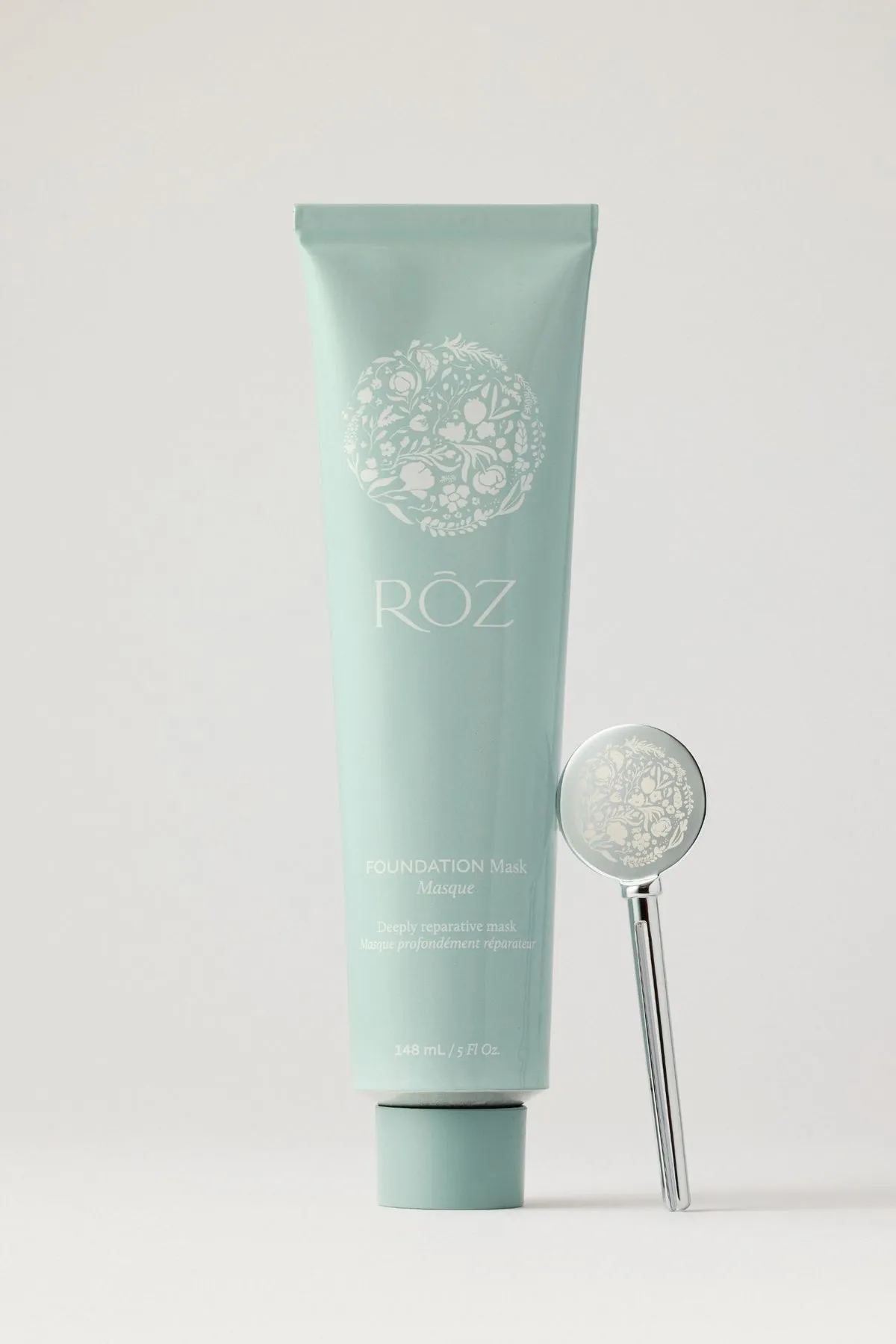
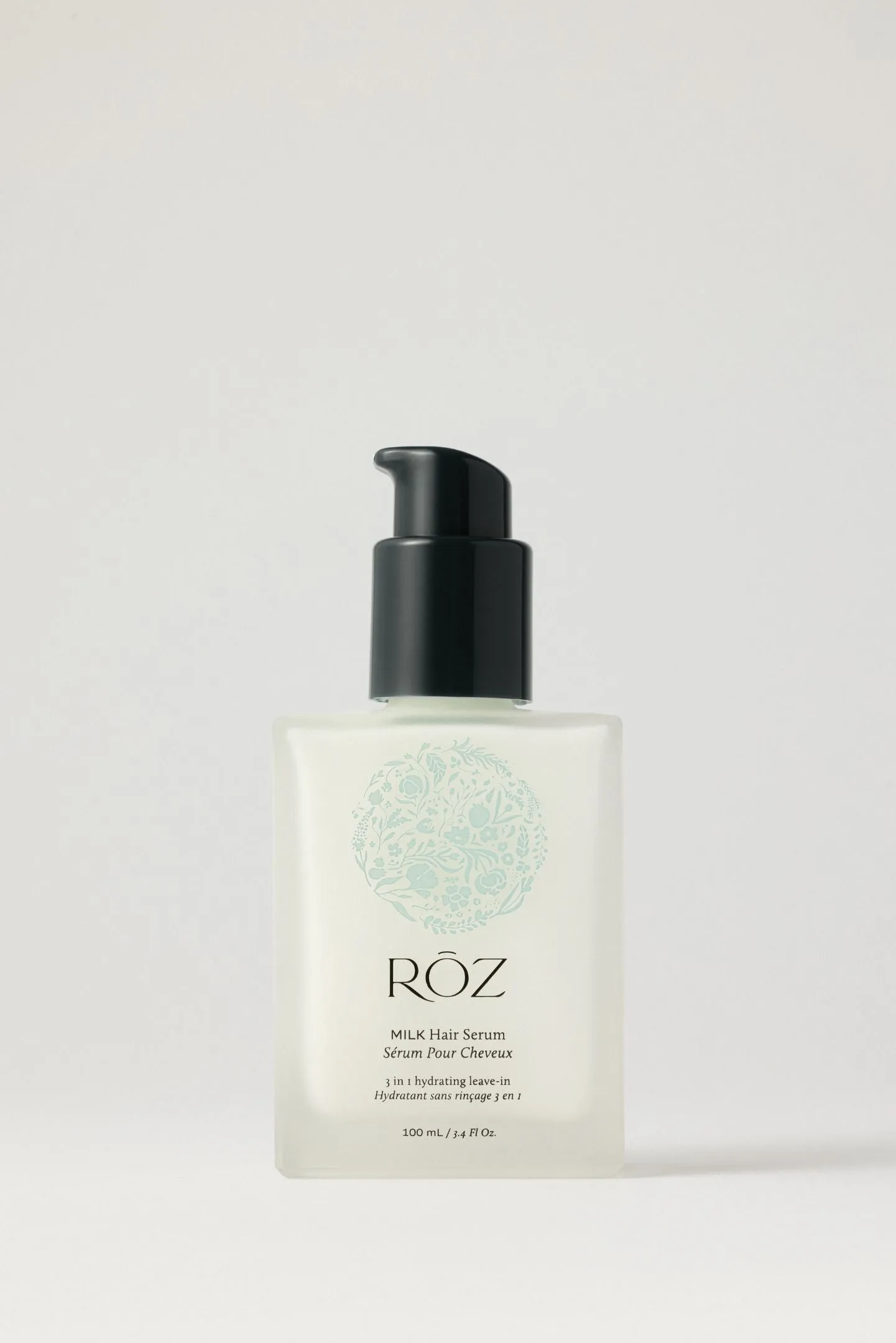
Start with the job. If your color needs tone correction, a hair gloss or salon gloss may be the right answer. If the hair is dry, rough, or frizzy, Foundation Mask, Milk Hair Serum, and Santa Lucia Styling Oil are more relevant because the problem is feel, friction, moisture, or finish.