Humectants are water-managing ingredients. They attract and hold water, which is why glycerin, panthenol, hyaluronic acid, aloe, honey, and other humectant-style ingredients show up in conditioners, masks, leave-ins, curl creams, and scalp products.
They are not universally moisturizing in every climate. Humectants are conditional. In the right formula and weather, they can make hair feel softer and more flexible. In the wrong setting, they can contribute to frizz, swelling, or a dry-feeling finish.
What humectants do
A humectant is an ingredient that attracts water. In haircare, that can help keep the strand flexible and less brittle. Hair that holds the right amount of water bends more easily, tangles less aggressively, and feels less crisp.
The challenge is that hair is not a sealed container. The cuticle opens, lifts, and responds to the environment. When water movement is controlled, hair feels soft. When water movement is chaotic, hair swells, frizzes, or dries out.
| Humectant | Best known for | Watch-out |
|---|---|---|
| Glycerin | Strong water-binding, common in conditioners and leave-ins | Can puff or frizz in high humidity |
| Panthenol | Softness, flexibility, surface feel | Usually gentle, but formula dose still matters |
| Hyaluronic acid | Surface hydration and cushion feel | May sit more on the surface depending on molecular weight |
| Aloe | Lightweight slip and water-rich feel | Not enough for very dry hair by itself |
| Honey | Natural humectant story, mostly in masks | Sticky and formula-dependent; not a DIY shortcut for every routine |
| Propanediol | Solvent and humectant support | Usually a formula helper, not the hero |
Best humectants for hair by use case
The best humectant is the one that fits the formula and the weather. Glycerin is powerful, panthenol is usually more forgiving, hyaluronic acid can add a cushiony surface feel, and honey or aloe belongs in formula context rather than kitchen-DIY logic.
| Use case | Better humectant lane | Pair it with | When to be careful |
|---|---|---|---|
| Dry, brittle lengths | Panthenol, glycerin, aloe | Conditioner and light oil or serum | Very dry air if hair feels crisp |
| Curly definition | Balanced glycerin, aloe, propanediol | Cream, gel, or light film former | High humidity and high porosity |
| Fine hair softness | Panthenol or low-dose glycerin | Rinse-out conditioner | Root-heavy leave-in layers |
| High-porosity frizz | Glycerin plus conditioning agents | Film former, silicone, oil, or gel | Strong humectants without a seal |
| Low-porosity hair | Lighter humectant support | Warm water, light conditioner | Heavy masks that sit on top |
| Scalp comfort | Aloe or panthenol in a gentle formula | Mild cleanse and low-irritation fragrance choices | Itch, flakes, redness, or shedding |
Oils are not humectants. They can help slow water loss or improve surface feel, but an oil does not pull water the way glycerin or panthenol can. That distinction matters when a routine needs hydration first and sealing second.
Why glycerin is loved and hated
Glycerin is the humectant most people notice because it is effective and common. In moderate humidity, it can make hair feel soft, hydrated, and more flexible. In very humid weather, it may keep pulling water toward the strand until porous hair swells and frizzes. In very dry air, there may not be enough water in the room, so the formula can leave hair feeling less comfortable than expected.
That is why curly-hair forums argue about glycerin. Both sides can be right. The result depends on dew point, product dose, formula balance, porosity, and whether the humectant is paired with emollients or film formers that slow water movement.
Humectants by hair type and porosity
| Hair situation | Humectant strategy | Better pairing |
|---|---|---|
| Fine straight hair | Use lighter formulas and avoid root-heavy leave-in | Conditioner rinse-out, small finishing dose |
| Wavy hair | Use moderate humectants for bend and softness | Light film former or styling cream |
| Curly hair | Humectants can help definition when balanced | Cream, gel, or oil over hydrated hair |
| Coily hair | Use humectants with emollients and sealing support | Leave-in plus oil or butter where appropriate |
| Low porosity | Avoid heavy layering that sits on top | Warm water, light conditioner, small dose |
| High porosity | Humectants help, but need a seal | Conditioner, film former, serum, or oil |
The shortcut: if hair drinks product and dries rough, humectants may help. If water beads on the hair and product sits on top, adding more humectant may not solve the problem until buildup or porosity is addressed.
Humectants, frizz, and humidity
Frizz is often water movement. Porous hair pulls in water unevenly, the cuticle lifts, and the shape expands. Humectants can either help or worsen that depending on whether the formula controls the water.
Use this weather read:
| Weather | Humectant risk | Practical move |
|---|---|---|
| Very dry air | Hair may feel thirsty or static-prone | Pair humectants with conditioner and light oil or serum |
| Moderate humidity | Usually the sweet spot | Humectants can improve softness and definition |
| High humidity | Frizz risk rises | Use fewer strong humectants and more film-forming control |
| Rain or steam | Swelling risk rises | Focus on hold, surface seal, and lower product layering |
This is also why “moisturizing” hair care products can feel different by city, season, and shower water. The label did not change. The environment did. Natural curls often show the shift first because the strand shape and cuticle exposure make water movement visible faster.
Quick answers people ask about humectants
What are hair humectants? Hair humectants are water-binding ingredients used in shampoos, conditioners, masks, leave-ins, curl creams, and scalp products. Glycerin, panthenol, hyaluronic acid, aloe, honey, and propanediol are common examples.
What is the most powerful humectant? Glycerin is one of the strongest and most common cosmetic humectants. That power is why it can feel beautiful in balanced weather and unpredictable in extreme humidity or very dry air.
When should you not use humectants? Be careful when hair is already coated, when the air is extremely humid, when low-porosity hair is rejecting product, or when high-porosity hair needs more sealing than water attraction.
Can humectants damage hair? Humectants do not usually damage hair directly. The problem is mismatch: too much water movement, not enough conditioning support, or using a humectant-heavy product when the hair needs bond repair, protein support, or buildup reset.
Which oils are humectants? Oils are not true humectants. Coconut, argan, jojoba, and castor oil are better described as emollient, occlusive, conditioning, or lubricating ingredients depending on the formula and dose.
How RŌZ fits
RŌZ Foundation Conditioner belongs in the humectant conversation because the goal is everyday softness and slip without silicone buildup. The formula is not trying to be a raw glycerin treatment or a miracle moisture mask. It is the baseline conditioner lane: make the strand easier to manage, then let stylers handle hold, shine, and heat.
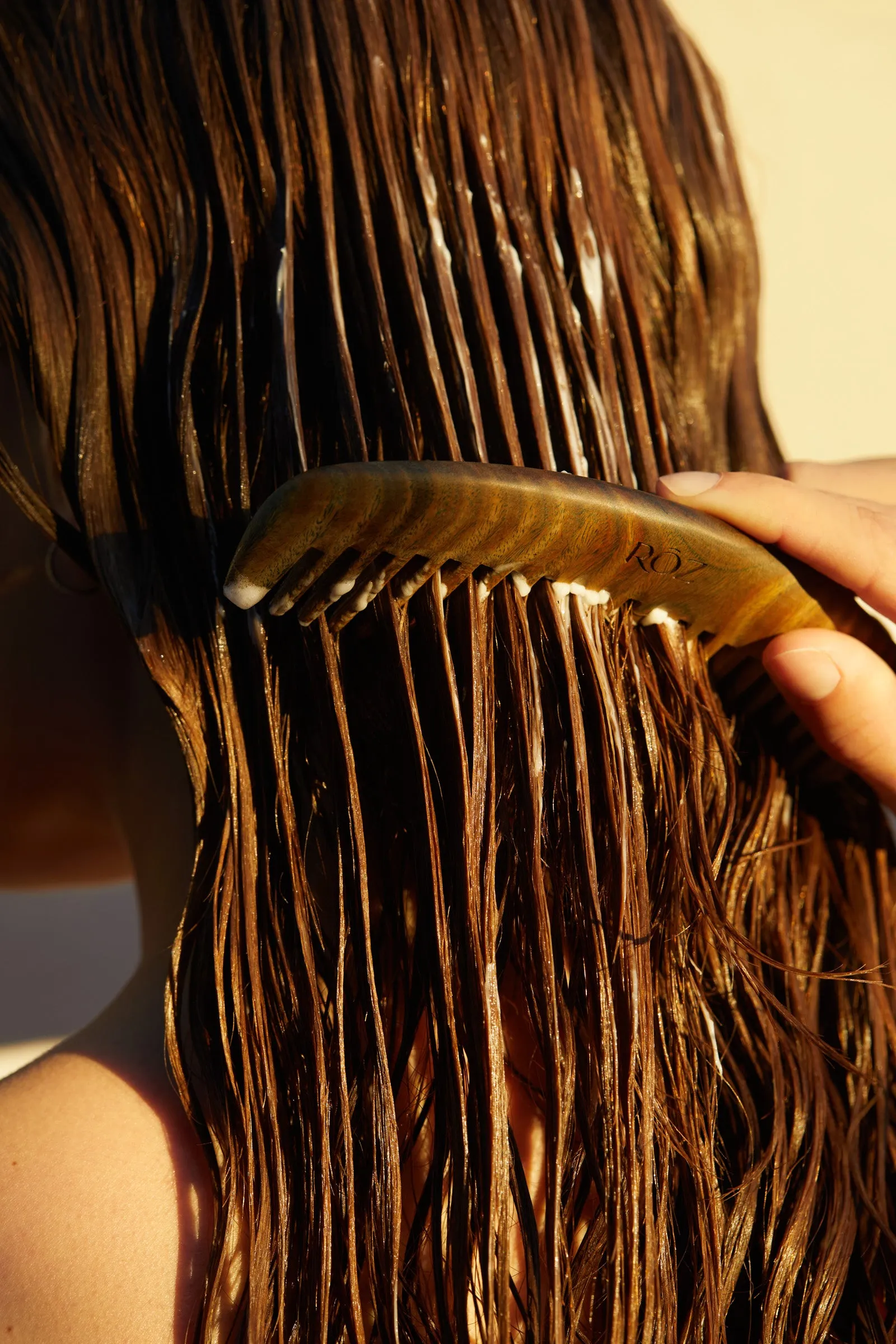
If your hair is dry because your cleanser is too aggressive, start with Foundation Shampoo and conditioner before adding heavier leave-ins. If the hair is dry because it is damaged, bond repair or a trim may need to sit upstream of any humectant strategy.
When humectants are the wrong first move
Humectants are not always the answer.
- If hair feels coated, reset buildup first.
- If hair is snapping, assess bond damage and protein support.
- If hair is frizzing only in high humidity, stronger humectants may make it puffier.
- If hair is low porosity and product sits on top, choose lighter formulas.
- If scalp is itchy, flaky, or inflamed, treat that as a scalp question first.
Think of humectants as water traffic managers. When the road is clear, they help. When the cuticle is lifted, coated, or damaged, traffic gets messy.
The bottom line
Humectants help hair hold water, which can make it softer, more flexible, and less brittle. They are strongest when paired with the right formula and climate. Glycerin is powerful but conditional, panthenol is a gentler support ingredient, and hyaluronic acid is more surface-cushion than instant deep repair. Choose by weather, porosity, and the rest of the routine.