If your hair feels like straw, switching to sulfate-free shampoo can help — but not for the reason most product pages imply. Sulfate-free shampoo does not moisturize dry hair. It preserves more of the moisture and natural oil you already have, so your conditioner can do its job without fighting a stripping cleanser.
Is sulfate-free shampoo good for dry hair?
Yes, if dryness is coming from over-cleansing, color, heat, curl pattern, hard water, or a routine that leaves the ends rough after every wash. Strong cleansers like SLS and SLES remove oil efficiently, which is exactly why they can make dry hair worse.
Dry hair needs a gentler wash because the strand is already losing water too quickly. That may be from raised cuticle scales, high porosity , chemical processing, heat styling, or simply a curl pattern that does not move scalp oil down the length easily.
What sulfate-free can and cannot do
| It can | It cannot |
|---|---|
| Reduce stripping during wash day | Add enough moisture by itself |
| Help curls and dry lengths feel less rough | Repair split ends |
| Preserve color and gloss longer | Reverse heat damage |
| Make conditioner work better | Remove hard-water minerals completely |
| Reduce friction from harsh cleansing | Treat medical scalp dryness |
This is why the routine matters more than the label. A gentle shampoo without conditioner is incomplete. A rich conditioner after a harsh shampoo is playing defense.
How to choose a sulfate-free shampoo for dry hair
Look for a formula that cleans with mild surfactants and avoids heavy coating shortcuts. Dry hair often feels better with slip, but too much film can make the next wash feel waxy.
Good signs:
- Coco-glucoside, decyl glucoside, cocamidopropyl betaine, or sodium cocoyl isethionate
- Silicone-free or low-buildup conditioning support
- pH-aware formula language
- Conditioner pairing that is part of the routine, not an afterthought
Be careful with:
- Strong clarifying claims for every wash
- Heavy butters high on the ingredient list if your hair is fine
- “Moisturizing shampoo” claims that rely on residue instead of a real conditioner
- Dry shampoo overuse, which can make dry lengths and coated roots happen together
The dry-hair wash protocol
1. Reset before you switch
If hair feels waxy, dull, or coated, clarify once before starting the sulfate-free routine. That gives the gentler cleanser a clean baseline.
2. Shampoo the scalp, not the ends
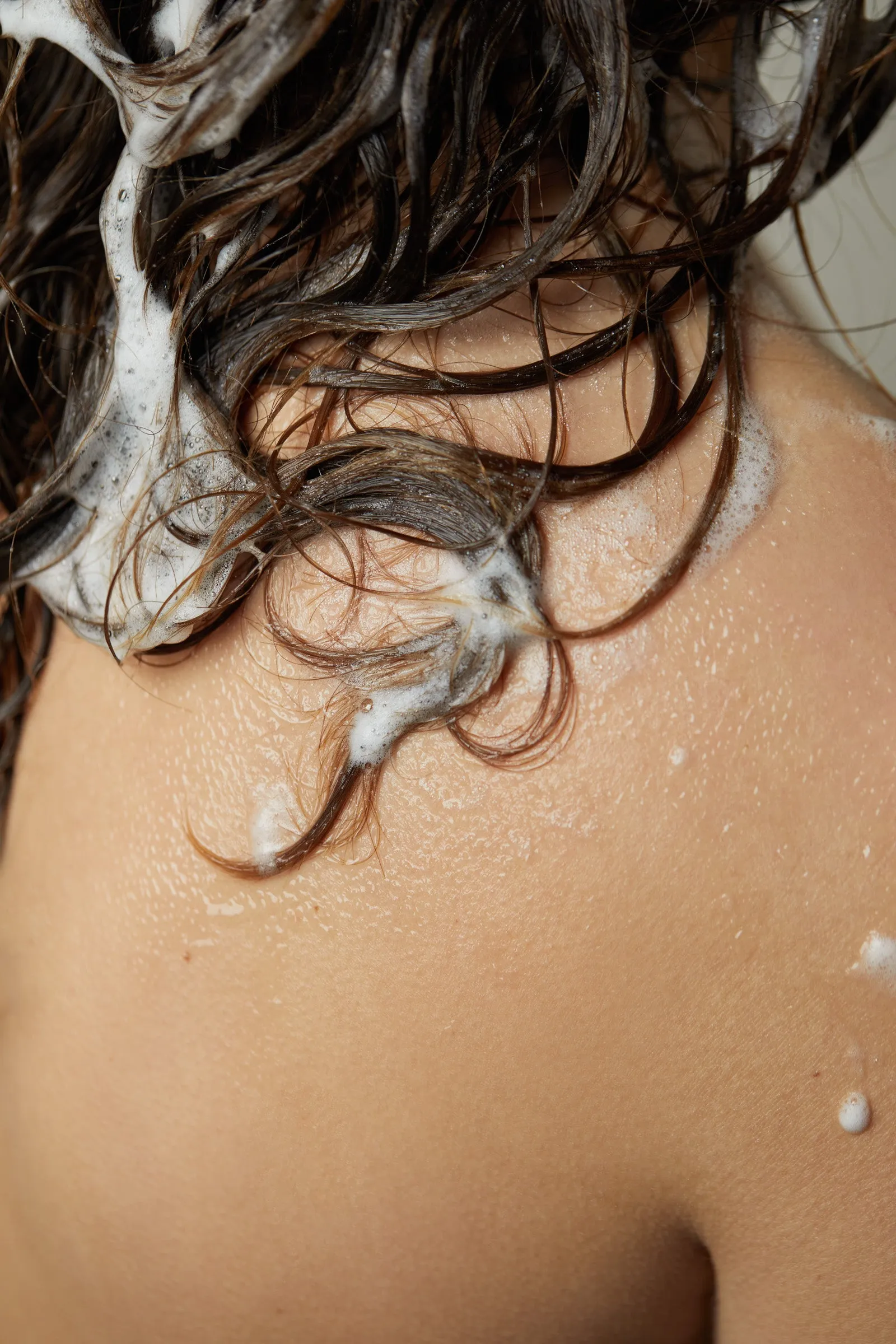
Dry lengths do not need aggressive scrubbing. Work the shampoo into the scalp and let the rinse carry cleanser through the ends.
3. Condition every wash
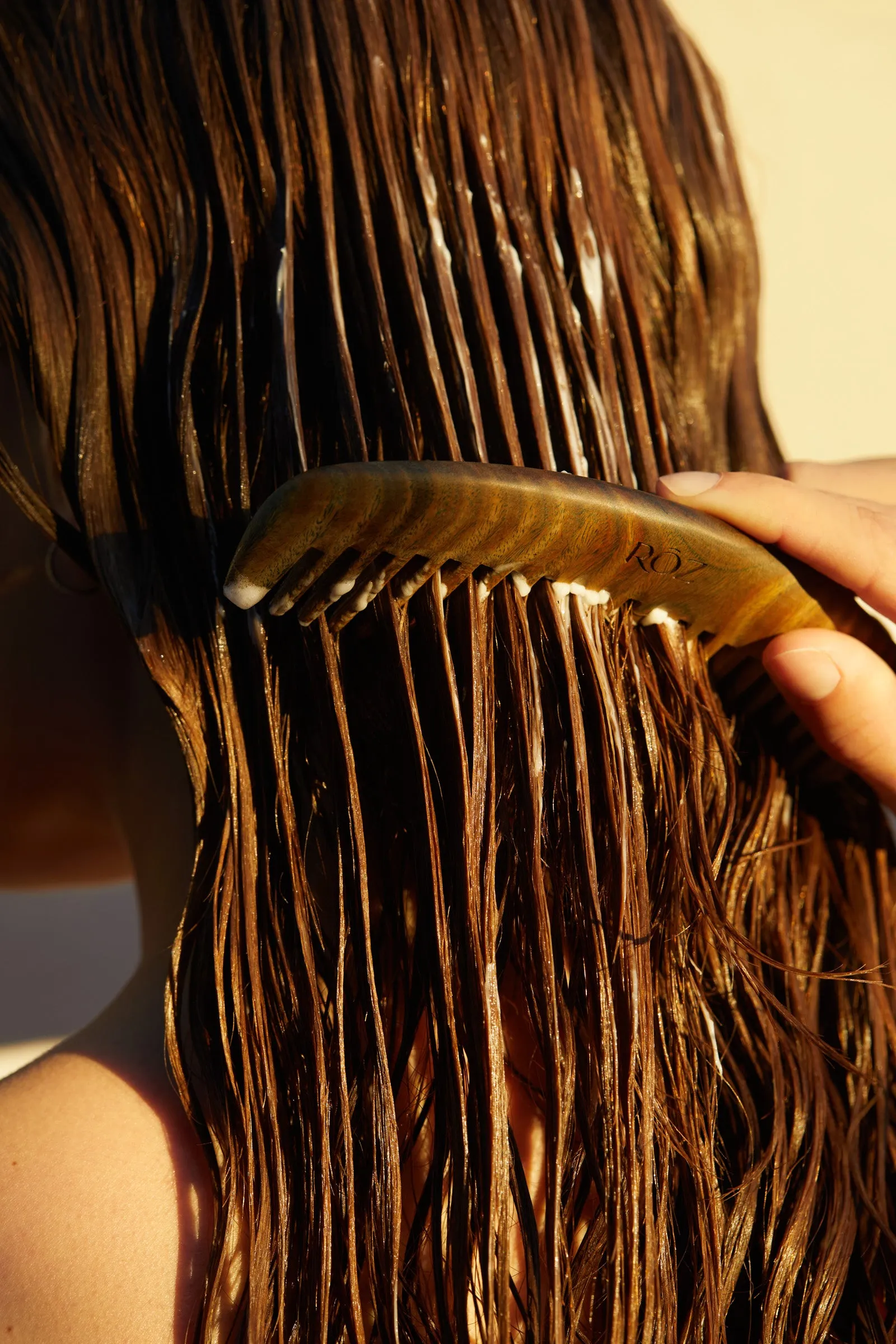
Conditioner is the moisture and slip step. Apply from mid-lengths to ends, then add a little more where hair tangles first.
4. Lower the heat
Hot water and high heat styling reopen the cuticle. Use warm water for the scalp, cooler water on the rinse, and keep hot tools below the highest setting.
5. Watch the third wash
The first wash is often about removing the old routine. By wash three, dry hair should feel less rough after drying. If it does not, the conditioner needs more support.
When dry hair is not a shampoo problem
Dryness can be a symptom of something upstream. Hard water can leave minerals that make conditioner fail. Bleach can raise porosity past what a shampoo can fix. Thyroid shifts, menopause, medications, scalp eczema, and some nutritional deficiencies can also change hair texture and shedding. If dryness arrives suddenly with shedding, scalp pain, patches, or irritation, pause the product search and talk to a dermatologist.
The honest bottom line
Sulfate-free shampoo is a strong first move for dry hair because it stops repeating the strip-and-repair cycle. But the actual routine is a pair: gentle cleanse, then condition with enough slip and lipid support to make the strand behave differently after it dries.
Frequently asked questions
What is the best sulfate-free shampoo for dry hair?
Does sulfate-free shampoo moisturize hair?
Why is my hair still dry after switching to sulfate-free?
How often should dry hair be washed?
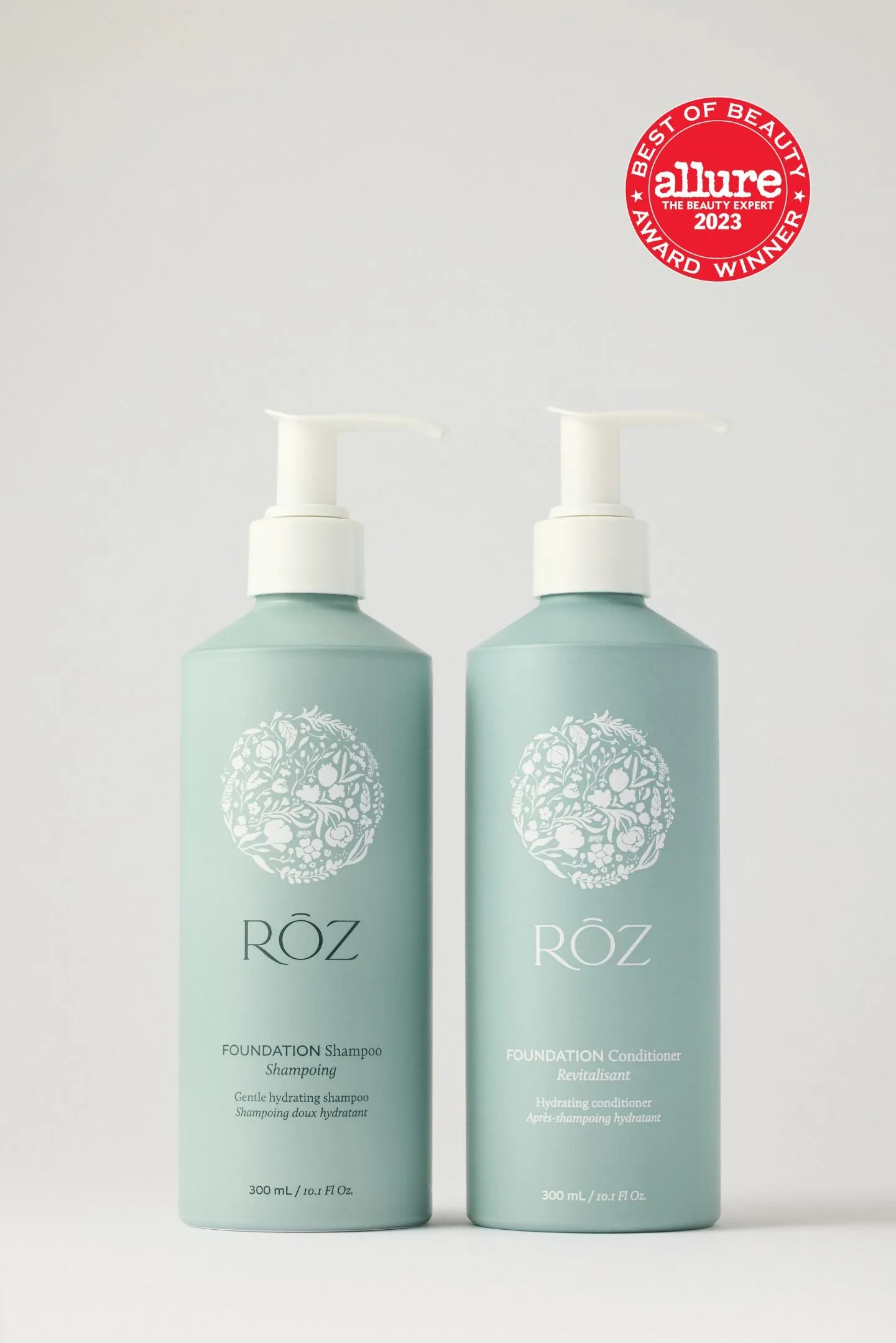
Featured in this article