On this page · 13 sections
- Quick answer: hair mask vs conditioner vs leave-in
- What is conditioner?
- What is a hair mask?
- What is leave-in conditioner?
- Where serum and oil fit
- When should you use what?
- Do you use conditioner after a hair mask?
- Hair mask vs deep conditioner
- The clean wash-day order
- Common mistakes
- FAQ
- Related products
- Related guides
A conditioner, a hair mask, and a leave-in conditioner all condition hair, but they do not do the same job. The difference is contact time, concentration, and whether the product is meant to rinse away or stay on the strand.
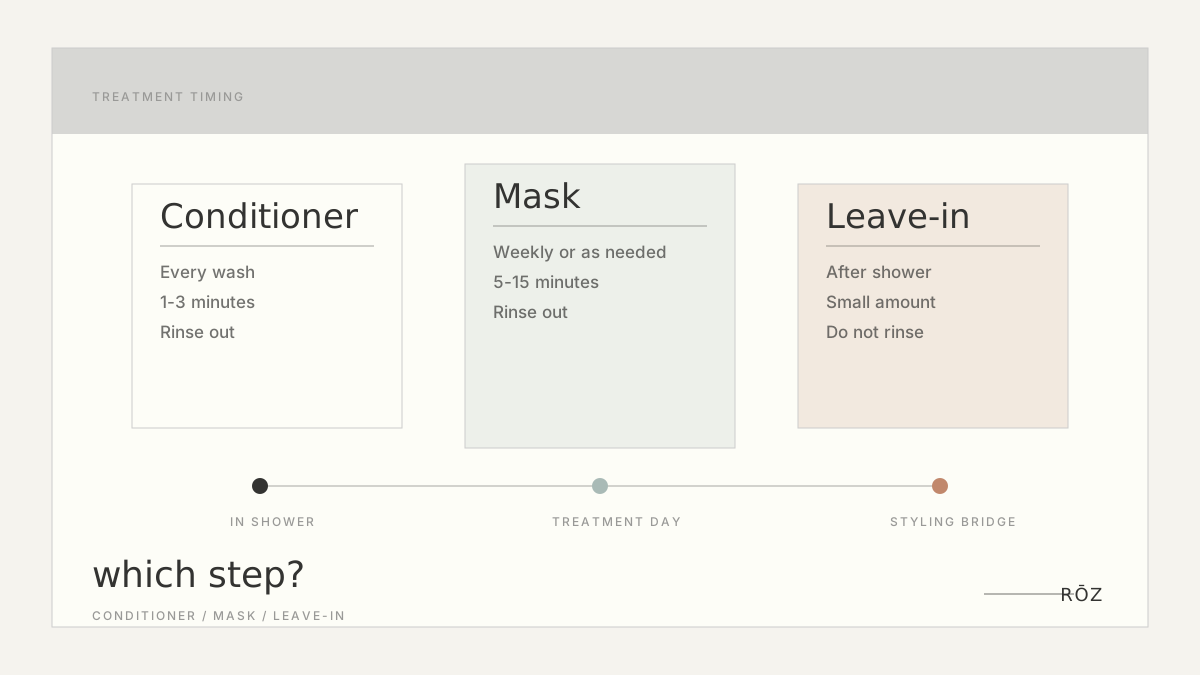
If you are asking “hair mask vs conditioner,” the practical answer is simple: conditioner is the every-wash slip step, a hair mask is the deeper weekly treatment step, and leave-in conditioner is the post-wash finishing layer. Use the right one at the right point in the routine and you need less product overall.
Quick answer: hair mask vs conditioner vs leave-in
| Product | When to use it | Rinse it out? | Best for | Skip or reduce when |
|---|---|---|---|---|
| Rinse-out conditioner | After shampoo, every wash or most washes | Yes | Slip, detangling, cuticle smoothing, daily softness | Roots get flat, scalp feels coated, or hair feels limp |
| Hair mask or deep conditioner | Weekly, every other week, or after color/heat stress | Yes | Deeper hydration, rough ends, post-color softness, high porosity | Hair feels mushy, heavy, or protein-stiff |
| Leave-in conditioner | After rinsing, before drying or styling | No | Frizz smoothing, moisture retention, detangling after shower, heat prep | Product beads, hair feels sticky, or buildup appears |
| Serum or finishing oil | After leave-in, or alone on dry ends | No | Shine, frizz smoothing, sealing, heat-styling slip | Hair feels coated, separated, or greasy by day two |
What is conditioner?
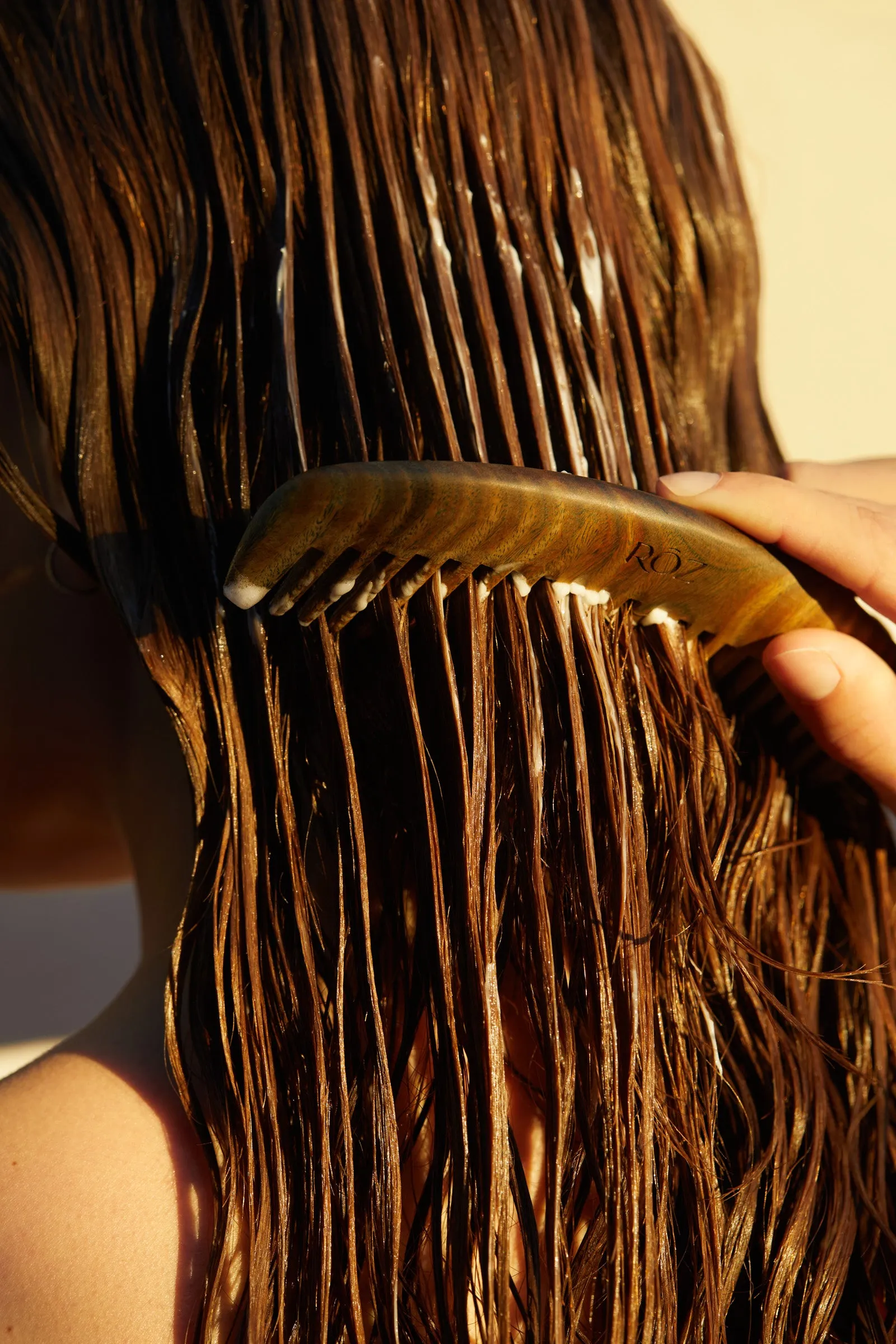
Conditioner is the fast rinse-out step after shampoo. Its job is to add slip, lower friction, help detangling, and leave the cuticle feeling smoother. It is not supposed to sit for 20 minutes, coat the scalp, or replace a weekly mask on very dry or damaged ends.
Use conditioner when the hair needs everyday softness and slip. Apply it from mid-shaft to ends, let it sit for one to three minutes, detangle if you detangle in the shower, then rinse.
What is a hair mask?
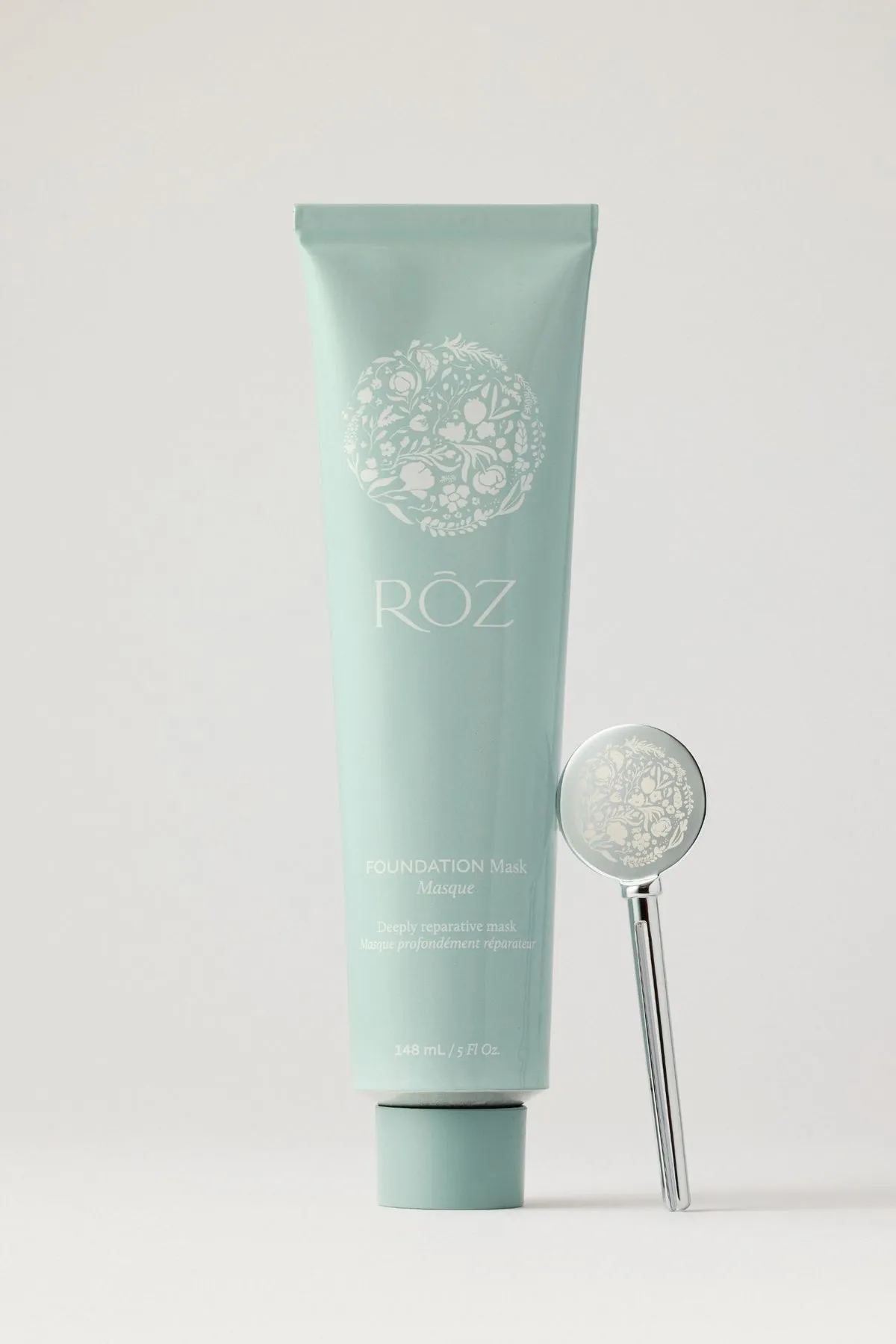
A hair mask is a more concentrated rinse-out treatment. It is usually richer than conditioner and works best with more contact time. Many masks are sold as “deep conditioners”; in real wash-day use, those terms overlap.
The mistake is using a mask exactly like conditioner and expecting a different result. If the formula is meant to treat dryness or roughness, give it the conditions to work: clean hair, towel-blotted damp lengths, mid-shaft-to-ends application, 10-15 minutes, and a shower cap or warm towel when the hair needs deeper conditioning.
For the full method, read the deep conditioner guide. This page is the picker; that page is the technique.
What is leave-in conditioner?
Leave-in conditioner is the product you do not rinse out. It goes on damp hair after the shower and stays through drying or styling. Its job is not to replace your rinse-out conditioner. It helps the hair keep water longer, lowers friction as it dries, and gives frizz smoothing or heat prep depending on the formula.
Use a leave-in when the hair feels good after rinsing but gets frizzy, rough, or tangled as it dries. Apply less than you think, start below the ears, and add more only if the hair absorbs the first layer cleanly.
Where serum and oil fit
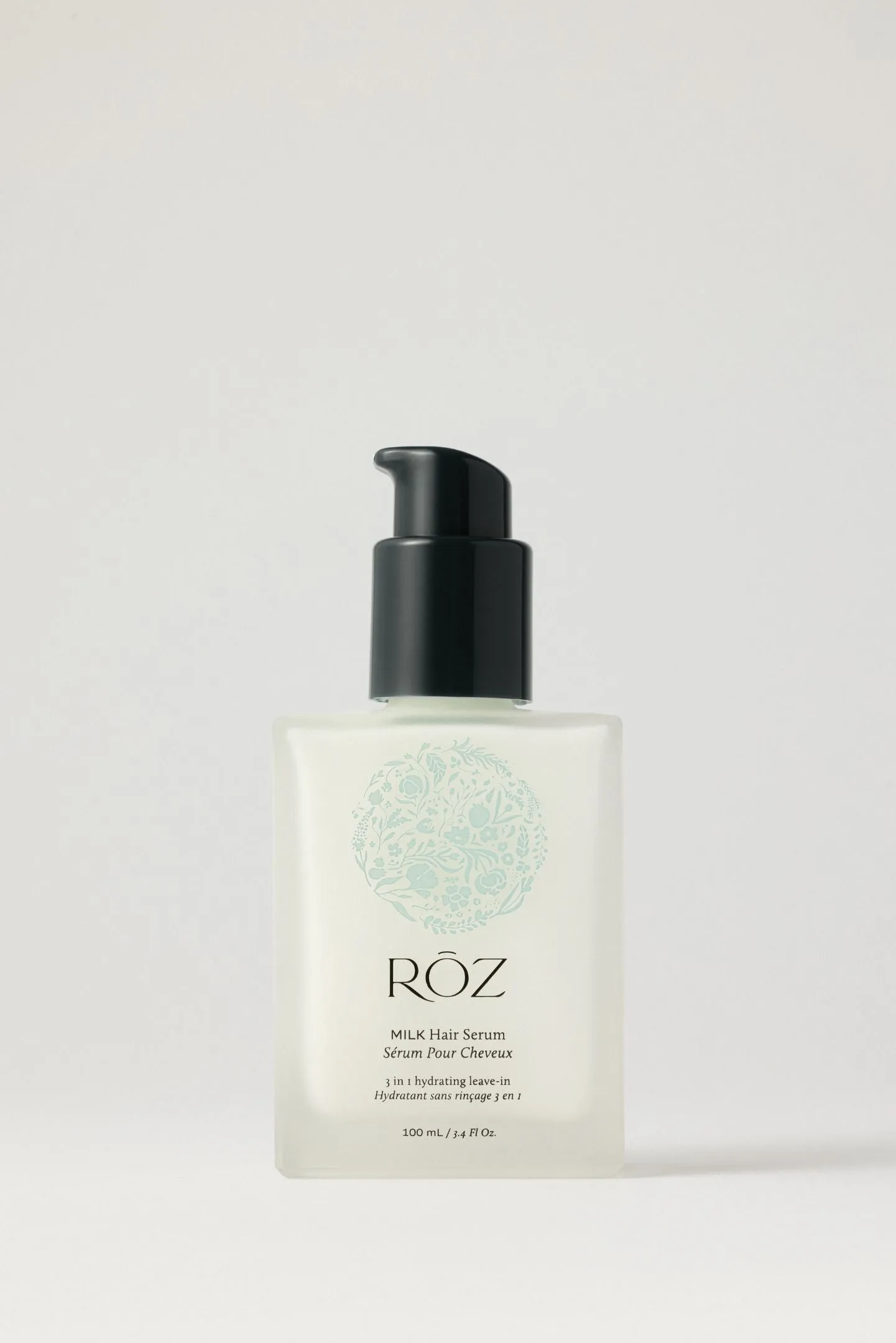
Serum and oil are not replacements for conditioner or a mask. They are finishing formats. A leave-in serum can give damp hair slip, frizz smoothing, and heat prep after the shower. A hair oil usually belongs later: on dry ends for shine, on damp ends when the hair tolerates more weight, or before heat only when the formula is tested for that job.
If the question is shine, not conditioning, read the hair gloss vs hair oil vs serum guide. If the question is oil chemistry, read the hair oil guide. This page stays focused on the wash-day choice: conditioner, mask, leave-in, or treatment.
When should you use what?
| Hair situation | Use conditioner | Use a hair mask | Use leave-in |
|---|---|---|---|
| Normal wash day | Yes | Optional | Optional if ends frizz or tangle |
| Dry ends, normal roots | Yes, mid-shaft to ends | Weekly or every other week | Yes, small amount on damp ends |
| Color-treated or highlighted hair | Yes | Weekly | Yes, especially before heat |
| Fine hair that gets flat | Yes, lightly | Every 2-3 weeks, only on ends | Tiny amount, below the ears |
| Low porosity hair | Yes, lightweight | Light mask with heat, not too often | Small water-based layer |
| High porosity hair | Yes, longer contact time | Weekly, sometimes with heat | Yes, then seal if needed |
| Coily or very dense hair | Yes, with plenty of slip | Weekly if ends are rough | Often yes, then cream or oil if needed |
| Product buildup or waxy feel | After clarifying | Wait until buildup is gone | Pause until hair feels clean again |
Do you use conditioner after a hair mask?
Usually, no. A hair mask is already a conditioning step. If you shampoo, apply mask, rinse, and then add rinse-out conditioner, you may overcondition the hair and leave it limp, coated, or stringy.
There are two exceptions. If a mask is more of a bond treatment than a conditioning mask, you may still need conditioner after it. If a new mask rinses out and the hair still has no slip, your hair may need a light conditioner just on the ends that day. But as a default wash-day order, use shampoo, then conditioner or mask, then leave-in.
Hair mask vs deep conditioner
Most shoppers use “hair mask” and “deep conditioner” interchangeably. The better distinction is formula and job:
| Term | What it usually means | How to use it |
|---|---|---|
| Hair mask | Richer treatment, often marketed for hydration, repair, shine, or frizz | Weekly or situational, 5-15 minutes, rinse |
| Deep conditioner | Conditioning treatment with longer contact time and more deposition than daily conditioner | Weekly or every other week, ideally with cap or gentle heat |
| Bond treatment | Repair-adjacent treatment for chemical or heat damage | Follow its instructions; may need conditioner after |
If the label says mask but the directions say “leave on 2-3 minutes,” treat it like a richer conditioner. If the label says deep conditioner and asks for 10-20 minutes, treat it like a mask.
The clean wash-day order
- Shampoo the scalp. Clean the scalp and let the rinse-through cleanse the lengths.
- Choose conditioner or mask. Conditioner for normal wash day; mask when the ends need deeper help.
- Rinse thoroughly. Hair should feel soft, not coated.
- Apply leave-in to damp hair. Start mid-shaft to ends, then style.
- Pause if buildup appears. If everything stops working, clarify before adding more treatment.
The order matters because each product needs a clean surface and a defined role. Conditioner or mask goes on in the shower. Leave-in goes on after the shower. Oil or finishing serum comes after water-based leave-in when you need sealing or polish.
Common mistakes
- Using a mask every wash because hair feels dry. Dry-feeling hair can be buildup, porosity, or heat damage. More mask is not always the fix.
- Putting conditioner or mask on the scalp. Most scalps make enough oil. The lengths and ends need the conditioning.
- Using leave-in as rinse-out conditioner. Leave-in is designed to stay on hair in smaller amounts. Using a full rinse-out amount can make hair sticky or coated.
- Skipping conditioner because you use leave-in. Leave-in helps after the shower; conditioner lowers friction during the rinse and detangling step.
- Treating every mask like repair. A mask can improve feel. It cannot permanently fix split ends or reverse severe chemical damage.
FAQ
Frequently asked questions
Is a hair mask better than conditioner?
Can I use a hair mask instead of conditioner?
Can I use conditioner as a hair mask?
What is the difference between conditioner and leave-in conditioner?
What is the difference between leave-in conditioner and a hair mask?
Should I use conditioner after a hair mask?
When should I use a hair mask?
Can I use leave-in conditioner after a hair mask?
Related products
Featured in this guide